HHSRS Reforms Explained: What the £7,000 Penalty Actually Requires
· Legislation · 2 min read · LandlordZONE
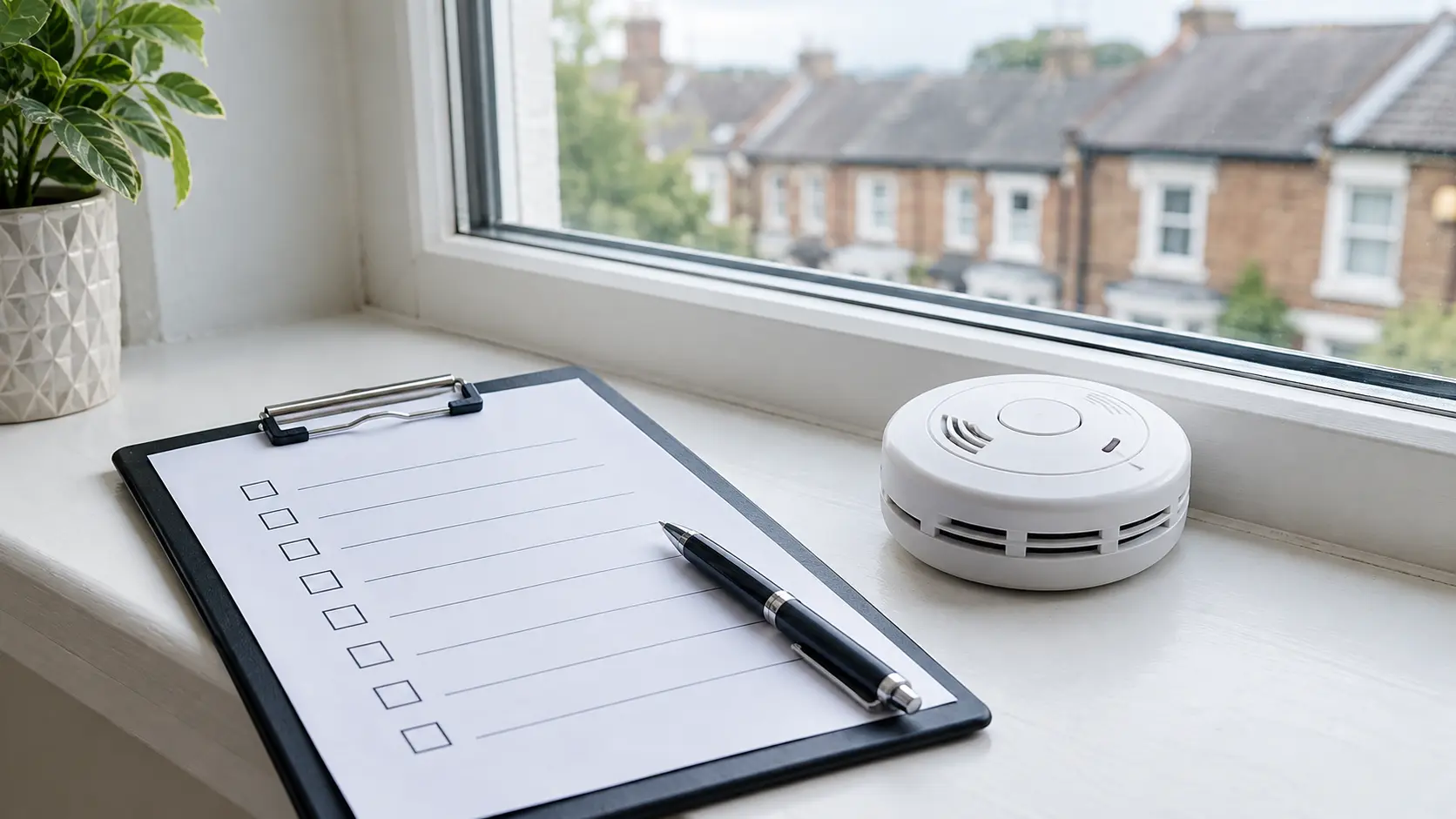
Two separate 2026 reforms changed HHSRS scoring and enforcement. The £7,000 penalty still requires formal notice and a 28-day response window — documentation is what determines outcomes.
HHSRS Reforms Explained: What the £7,000 Penalty Actually Requires
A quiet government update to its HHSRS landlord guide on 16 September has prompted a closer look at what actually changed for landlords under two separate pieces of legislation that came into force in June - and corrects a widely repeated misunderstanding about the new £7,000 penalty.
Two separate reforms, not one
Media coverage has often blurred these together, but they're distinct:
The scoring reform (SI 2026/571, in force from 23 June) consolidated the old 29 hazard categories into 21, replaced the A–J lettered bands with three numerical bands (High: 1,000+, Medium: 100–999, Low: under 100), and renamed the four harm classes from Roman numerals to Extreme, Severe, Serious and Moderate. The fire hazard definition was also broadened to explicitly cover smoke, explosions, and fire-related structural collapse.
The enforcement reform (new Section 6A of the Housing Act 2004, inserted via the Renters' Rights Act, in force from 22 June) gives councils a standalone power to fine landlords up to £7,000 for a Category 1 hazard.
Correcting the £7,000 penalty misconception
Contrary to some coverage suggesting councils can issue this fine "immediately, without warning," the process still requires: formal enforcement action first (an improvement notice or prohibition order), then a notice of intent giving the landlord 28 days to respond in writing, before a final notice can be issued - which carries a right of appeal to the First-tier Tribunal.
What has genuinely changed: previously, an informal conversation and initial visit typically preceded any formal notice. Now, the first formal contact a landlord receives over a serious hazard can already carry a financial penalty attached. Draft guidance also suggests a single underlying defect causing multiple hazards (e.g. a broken boiler causing both cold and damp) may attract one combined penalty rather than several.
Enforcement reality check
NRLA Freedom of Information data shows HHSRS inspections rose 7% to 91,620 across English councils in 2024/25, but of roughly £30 million in housing-related fines issued, only about a quarter was actually collected - a longstanding resourcing gap that predates these reforms.
Where the risk actually sits
Per NRLA/English Housing Survey data, falls (54%), excess cold (24%), fire (6%), and damp/mould (4%) account for 88% of all Category 1 hazards in the private rented sector - with falls on stairs the single most common issue, usually down to handrails, lighting, or carpet condition.
What this means for landlords
The test for whether a penalty applies hinges on whether it was "reasonably practicable" for the landlord to have removed the hazard - and that's an evidence-based test. A documented history of periodic safety checks, prompt responses to reported issues, and a clear repair timeline is what makes a written representation during the 28-day window persuasive. Relying on memory alone won't hold up.
Source: LandlordZONE, 23 September 2026