New Right to Rent Digital ID Rules: Not Every Provider Qualifies
· Legislation · 2 min read · LandlordZONE
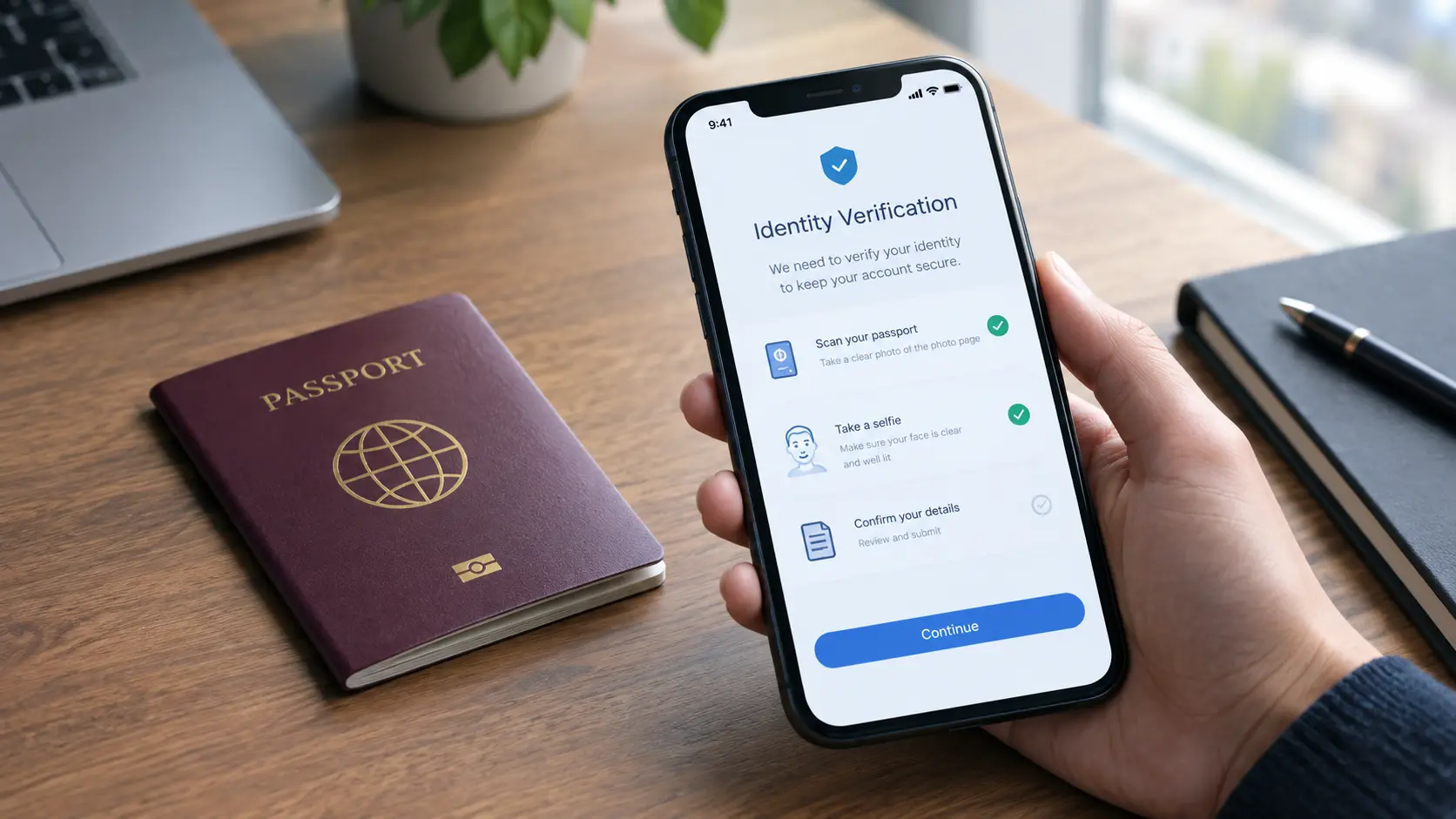
From 1 October, Right to Rent digital checks must use a provider specifically certified for that scheme - being on the general verification register isn't enough. Covers valid alternatives and the discrimination risk of over-rejecting applicants.
New Right to Rent Digital ID Rules Take Effect Today - Not Every Verification Provider Qualifies
A new requirement takes effect today, 1 October, mandating that any digital identity check used for Right to Rent verification must come from a provider specifically registered for that scheme - not merely registered for identity verification generally.
Why this trips landlords up
The government's digital verification register lists individual services, not companies. A provider can be certified for Right to Work or DBS checks while not being certified for Right to Rent. According to identity platform ComplyCube, this distinction is easy to miss, and simply seeing a familiar provider on the government register doesn't guarantee it covers Right to Rent specifically.
The options that remain valid
Landlords can still carry out checks via:
A manual check using hard-copy documents
A Home Office online right to rent check
A virtual check through a registered RtR DVSP (Right to Rent Digital Verification Service Provider)
The technical limit of digital verification
The digital route is built around British and Irish passports and passport cards. Applicants with an eVisa generally need to prove status through the Home Office share-code service instead - meaning a single "one app fits all" approach doesn't work across all applicant types.
A warning in both directions
ComplyCube's CEO flagged two distinct risks: using an uncertified service doesn't create the legal protection landlords assume it does, but equally, rejecting applicants simply because their status requires a different or slower verification route risks crossing from immigration compliance into unlawful discrimination.
What this means for landlords
Right to Rent carries penalties of up to five years' imprisonment for getting it wrong, so this is a genuinely high-stakes administrative detail. If you or your agent use a digital ID app for tenant checks, today is the day to confirm - specifically - that the provider is certified for Right to Rent, not just assume because it handles identity verification generally.
Source: LandlordZONE, 1 October 2026